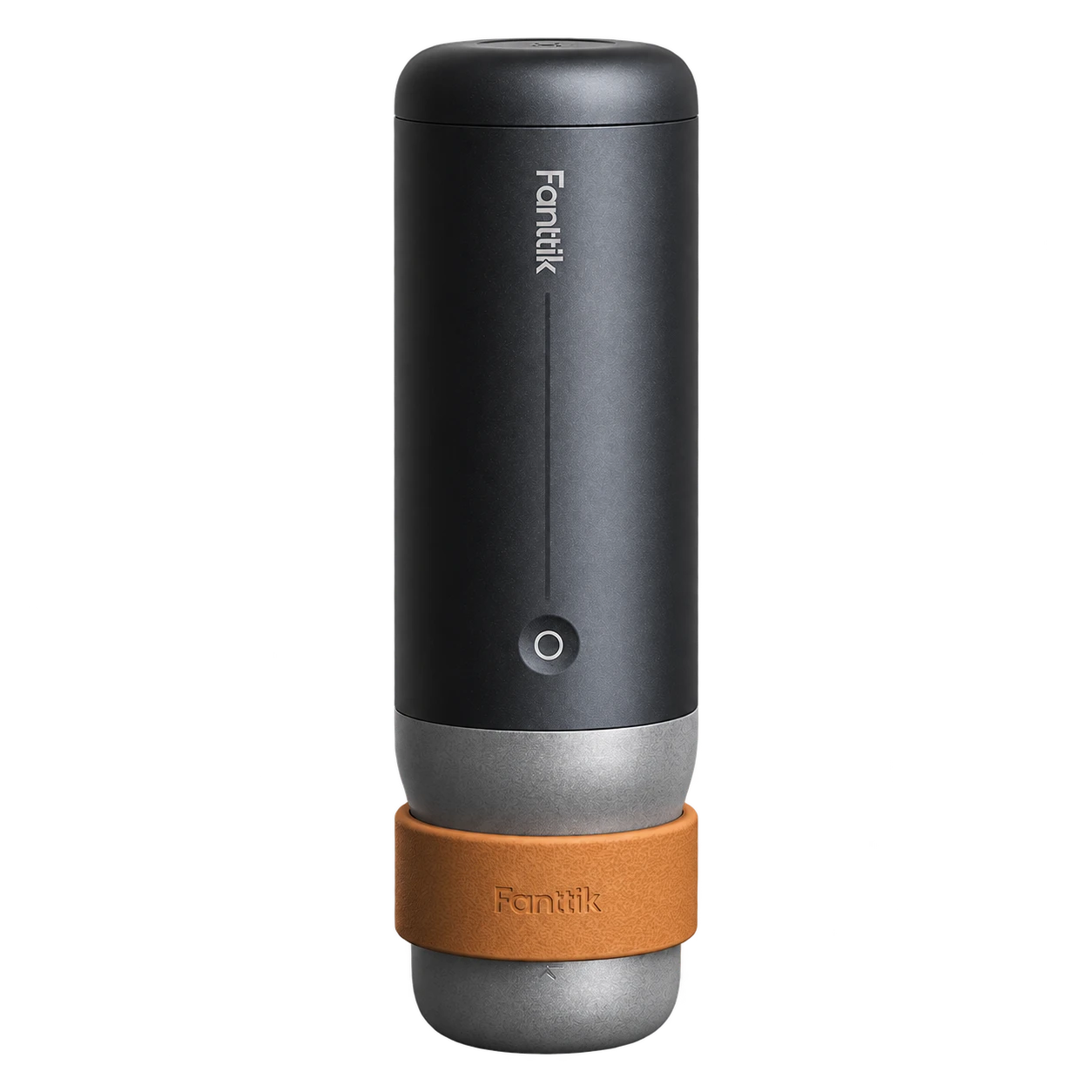
The quick answer.
Choose a portable coffee maker around where you will stop, how it is powered and which coffee format it supports. Brew and handle hot drinks only when safely parked. Before using a vehicle outlet, match the exact machine input to the outlet rating in the vehicle manual; a connector fitting the port does not establish power compatibility.
The steps at a glance.
Pick the stop
Choose a rest area, campsite or other place where the vehicle can be safely parked before brewing.
Read both power ratings
Compare the exact machine input with the vehicle outlet or charger output and its operating conditions.
Pack the compatible brew setup
Bring the grounds or capsules and accessories supported by the exact model, then follow its instructions.
Leave time for heat and cleanup
Read the model’s water-temperature, charging and cleaning guidance; manufacturer figures are not trip-time guarantees.
Make coffee part of a stop, not the drive
A portable coffee maker can add a familiar break at a rest area or campsite. The driver should not brew or handle hot coffee while the vehicle is moving. Fanttik’s portable coffee guidance says to wait until the vehicle is safely parked because brewing and hot drinks can distract or scald. Plan the coffee break before connecting or opening the machine, and give the vehicle a secure parking place first.
Match the exact power source to the machine
Check the machine’s input rating and the vehicle outlet’s documented output, including the relevant connector, voltage and current or wattage. Fanttik lists 30W Type-C charging for its Cafein 11, but that does not make every in-car USB port a suitable source. Start with the exact vehicle manual and model instructions. If a required rating is missing or does not match, use another supported source instead of guessing from the plug shape.
Compare battery and heating claims with your routine
A rechargeable machine may make more sense for a quiet stop than a device that depends on the car socket. Read its capacity claims alongside the conditions: Fanttik says the Cafein 11 can make about eight cups per charge with room-temperature water and takes 135 seconds to heat room-temperature water to 198°F. Those are manufacturer figures. Starting water temperature and brew choices affect the routine, so plan time for a stop rather than treating a claim as a guaranteed schedule.
Choose a brew format and pack its supplies
Check whether the exact model accepts grounds, capsules or another format. Carry only the compatible coffee and accessories for that setup, and review the model’s cleaning and safety instructions before traveling. Product galleries can show accessories without establishing a complete package inventory, so confirm the exact order contents before leaving home.
Decide whether portable brewing earns its space
A portable machine is extra gear with a battery, coffee supplies and cleanup steps. It suits a traveler who values a planned coffee stop and already knows how to power and care for the exact model. Someone who prefers roadside cafés, wants a no-preparation drink or cannot confirm the power source may be better served by a simpler stop. We would choose around the trip routine, not a pressure or cup-count headline.
Keep building your know-how.
Your questions, answered.
Can I brew coffee while the car is moving?
No. Wait until the vehicle is safely parked before brewing or handling a hot drink.
Can a USB-C plug power any portable coffee maker?
No. Match the exact machine input with the output rating and conditions for the source. Connector fit alone does not establish electrical compatibility.
Can I run a portable machine from a car outlet?
Only when the exact machine and outlet ratings and operating conditions match. Check both manuals and use a supported power source.
How many cups will a portable machine make?
Use the claim for the exact model and water conditions. For the Cafein 11, Fanttik says about eight cups per full charge with room-temperature water; this is a manufacturer claim, not an independent battery test.
Sources & further reading.
Source information checked October 24, 2026. Product examples are identified by model; the recommendations and practical comparisons are CarRundown’s editorial analysis.