The quick answer.
A dash cam can be worth buying if you value an additional record of the drive and will install, maintain and retrieve footage properly. It is less compelling if you expect guaranteed plate capture, automatic insurance savings or a device that never needs attention. Compare the complete setup with the problem you want solved.
Define what a useful recording would do for you
An additional view of the road can be useful when you want to review an event or preserve what the camera actually saw. It is still one perspective, with limits set by its position and recording quality. We would start with that modest, specific purpose. A dash cam is not a guarantee about responsibility, a replacement for an attentive driver or proof that every relevant detail will appear clearly in a file.
Count the complete cost
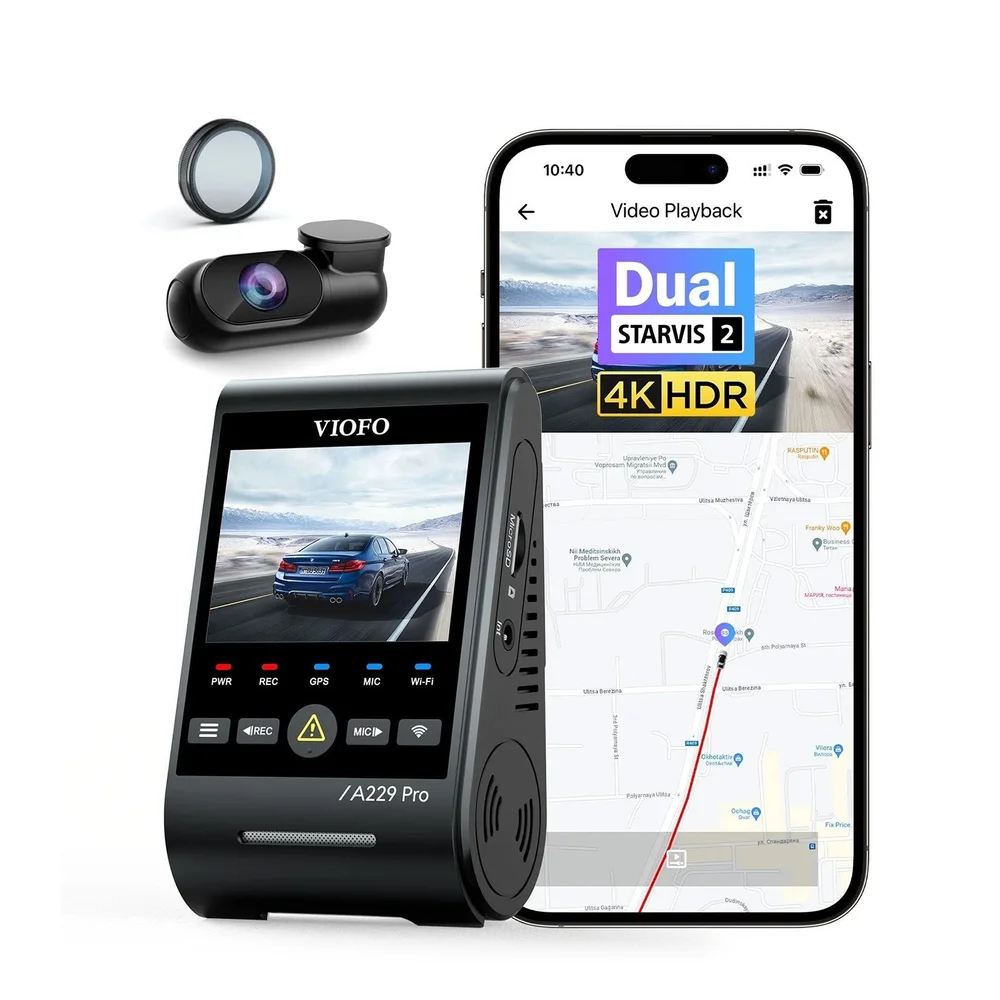
Compare the camera, supported storage, any rear-camera installation and the power accessories needed for your intended recording modes. Optional connected services may introduce their own terms. A camera price by itself can make two different systems look more comparable than they are. If your real priority is straightforward driving footage, keep a complete front-only setup in the comparison instead of assuming a larger multi-camera package is essential.
Check whether the view matches the concern
A front camera serves a different role from a rear or cabin camera. Parking recording also needs a supported power arrangement; a camera that works during a drive may turn off when the vehicle does. Write down the situation you want recorded and check what the selected system can actually see and save. Do not buy a feature name such as parking protection as if it promised a complete view around the car.
Make retrieval part of the buying decision
Garmin’s recording guidance explains that older unsaved footage can be overwritten as storage is reused. That makes the save-and-export process important. Ask whether you would be comfortable opening an example clip, saving the right period and making a separate copy. We would give that everyday usability real weight. A camera is less useful as a recording tool if the owner cannot confidently retrieve its output.
Avoid promises the product cannot establish
We do not assume installing a dash cam lowers every insurance premium or determines the outcome of a dispute. Nor do we assume a 4K label guarantees a readable moving plate after dark. Those claims involve factors beyond the headline specification. Decide whether the actual recording capability is worth the cost on its own merits, and check any provider-specific or location-specific requirements separately when they matter to the purchase.
Our decision rule
A dash cam is a sensible shortlist purchase when you want a record of your journeys, can identify a suitable installation and are willing to check it periodically. Start simpler if you are uncertain about the additional cameras or parking system. Spend on a more involved setup when the extra view or function solves a defined need. That is a stronger reason to buy than fear that every driver must own the most expensive camera.
Keep building your know-how.
Your questions, answered.
Will a dash cam automatically lower my insurance premium?
Do not assume so. Check any benefit and its conditions with your own insurer; choose the equipment for its actual recording role.
Is a rear camera always necessary?
No. It adds a separate view and installation work. Decide whether that view matters enough for your routine.
Can I install a dash cam and forget about it?
We recommend periodic checks of the view, storage and playback, plus following the maker’s maintenance instructions.
Sources & further reading.
Source information checked October 21, 2026. Product examples are identified by model; the recommendations and practical comparisons are CarRundown’s editorial analysis.