The quick answer.
Hand-wash a car on a cool surface, ideally in shade. Rinse away loose dirt, use a suitable automotive shampoo and clean wash tools, work from cleaner upper panels toward dirtier lower areas, rinse before product dries and finish with clean drying towels.
The steps at a glance.
Prepare the kit and surface
Choose a cool surface, check finish-specific instructions and lay out clean wash and drying tools.
Rinse loose dirt
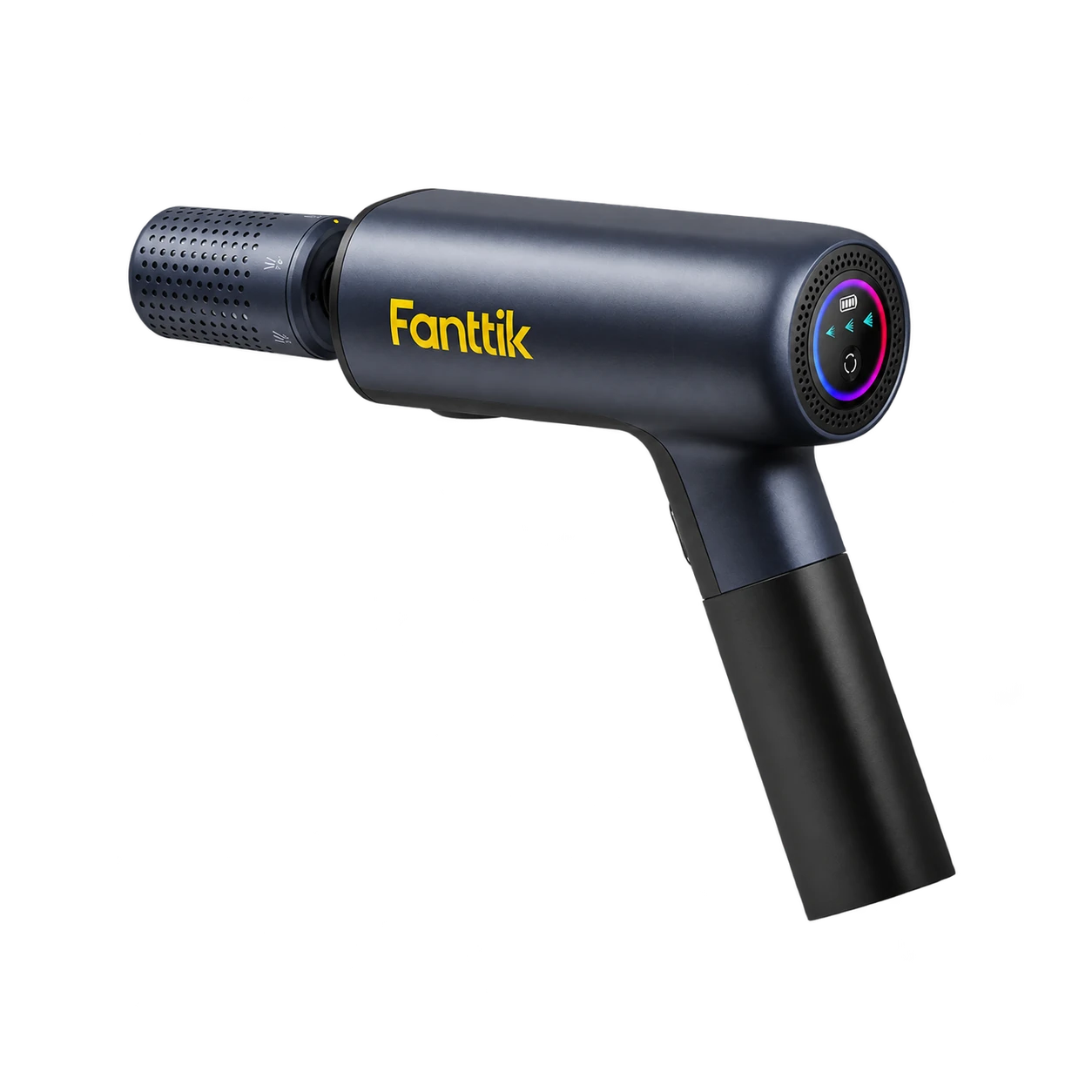
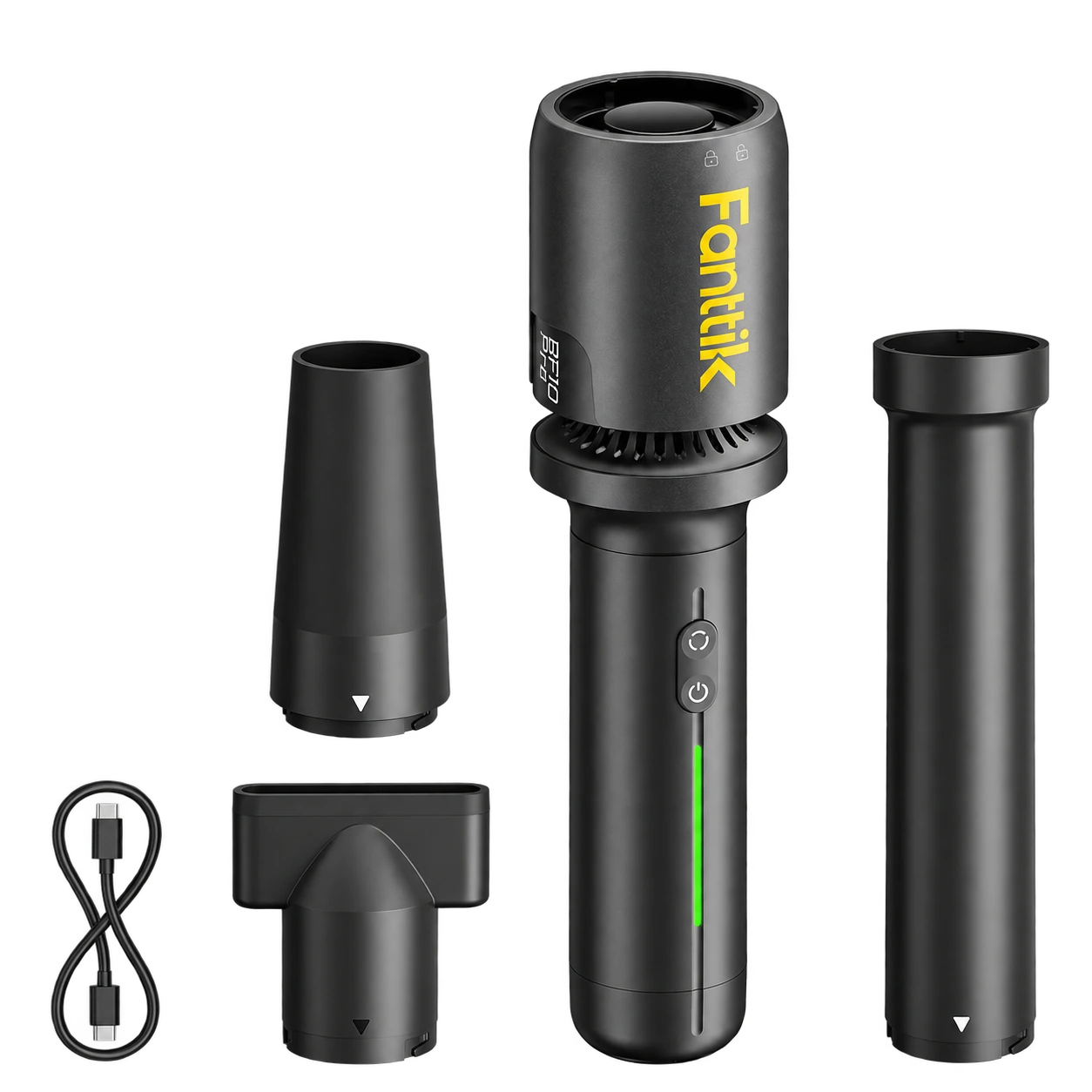
Rinse first and use wheel tools separately from the equipment touching paint. For loose leaves or dust, Fanttik identifies the BF10 Pro rubber nozzle for vehicle use; move debris away rather than blowing grit across the finish, and remember that a blower moves material instead of collecting it.
Wash in sections
Mix automotive shampoo to its label, work from cleaner upper areas downward and rinse the mitt frequently.
Rinse and dry
Do not let the wash product dry on the surface. Rinse and finish with clean, suitable drying towels.
A basic kit is enough to start
You do not need a pressure washer, foam cannon and a cupboard of chemicals to maintain a daily driver. Begin with a suitable car shampoo, a wash mitt, rinse water, dedicated wheel-cleaning tools and clean drying towels. Keep the kit simple enough that each item has an obvious job. Before washing a wrapped, matte or specially coated vehicle, check its care instructions; a routine that suits ordinary gloss paint is not automatically suitable for every finish.
Choose the place before opening the bottles
A cool panel and manageable working conditions make the job easier to control. Meguiar’s recommends a cool surface, ideally out of direct sun. Arrange your tools before wetting the vehicle so you are not leaving shampoo to dry while hunting for a towel. Follow local water-use and wash-water requirements. If your only available space is unsafe or unsuitable, a permitted wash location is a more useful upgrade than another accessory.
Keep wheel dirt away from the paint
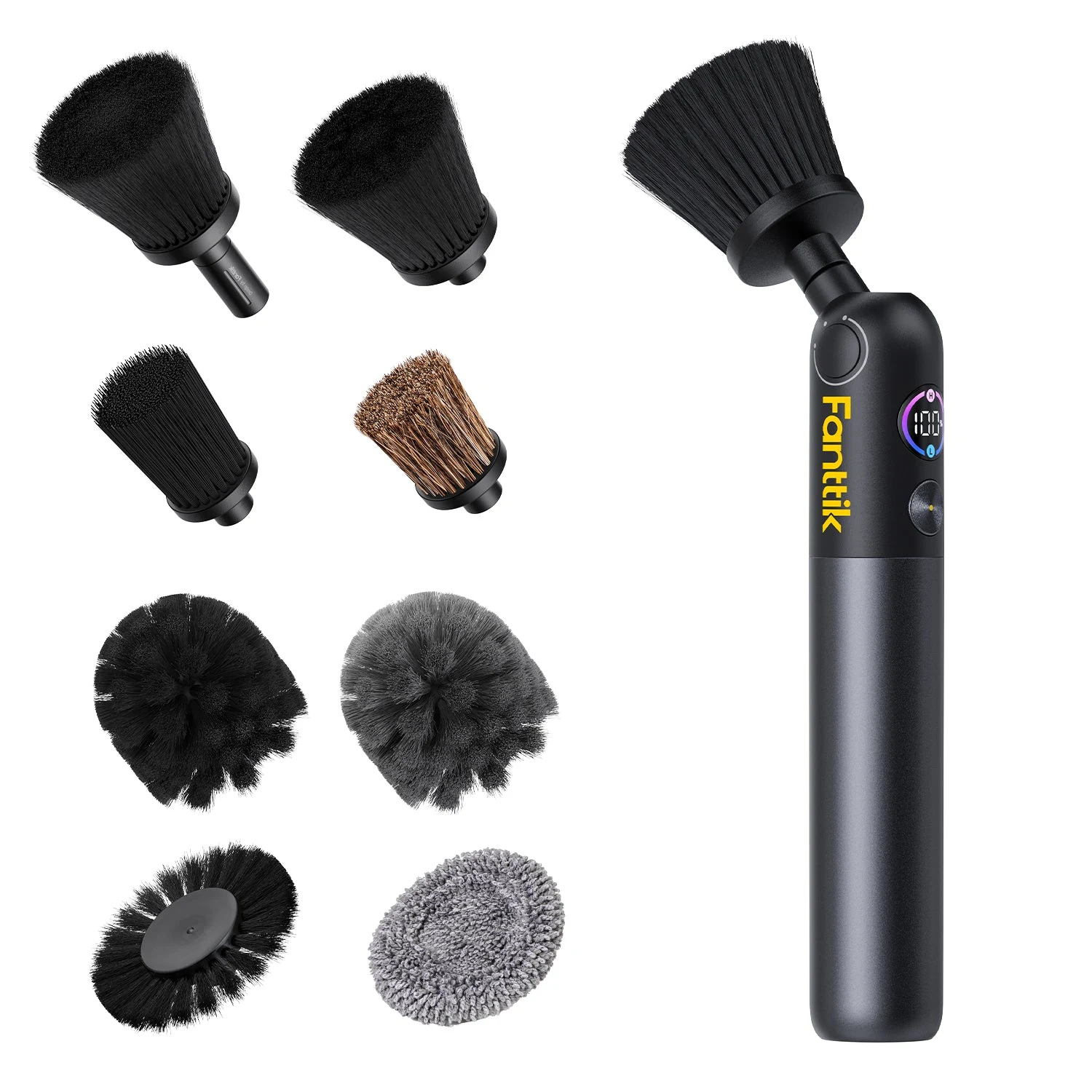
Give wheel-cleaning equipment its own role. Do not take a brush used on the wheels straight across the bodywork. Start by rinsing loose contamination, and follow the cleaner’s instructions for the particular wheel finish. A powered detailing brush such as the Fanttik Flip G10 Nano AutoCare is one option for targeted wheel work; keep its head dedicated to that job and follow the wheel and tool instructions. The same principle applies to a dropped wash mitt: stop and clean it or swap it rather than carrying on. A second inexpensive clean tool can be more practical than trying to save a minute with a dirty one.
Let the shampoo instructions set the dilution
A bucket wash and a foam-cannon mix may use different concentrations. Read the label for the application you are actually performing instead of making the solution stronger by habit. Turtle Wax Pure Wash, for example, is designed for bucket and foam applications with separate instructions. When using a rinse bucket, clean the mitt before returning it to the wash solution. Work in controllable sections, with cleaner upper panels before the lower areas, and rinse as necessary to prevent drying.
Drying is part of the wash
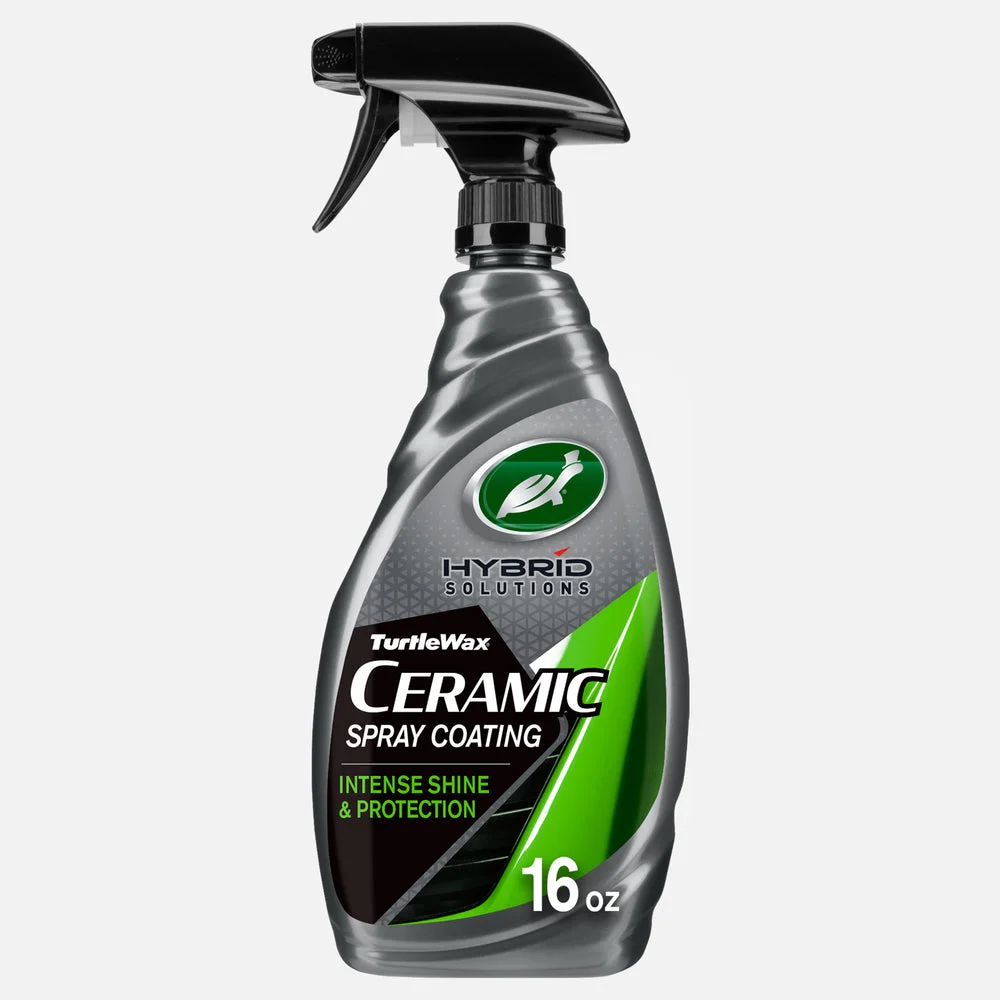
Keep drying towels separate from wheel towels and from cloths carrying old polish or dressing. Use a clean, suitable towel and the finish-care method recommended for your vehicle. Inspect the result before adding a protection product: stuck-on contamination or a scratch is not automatically solved by another wash. If you want a spray sealant, make it a separate final step according to its own label. A protection spray is not a substitute for removing dirt first.
A pressure washer is optional equipment
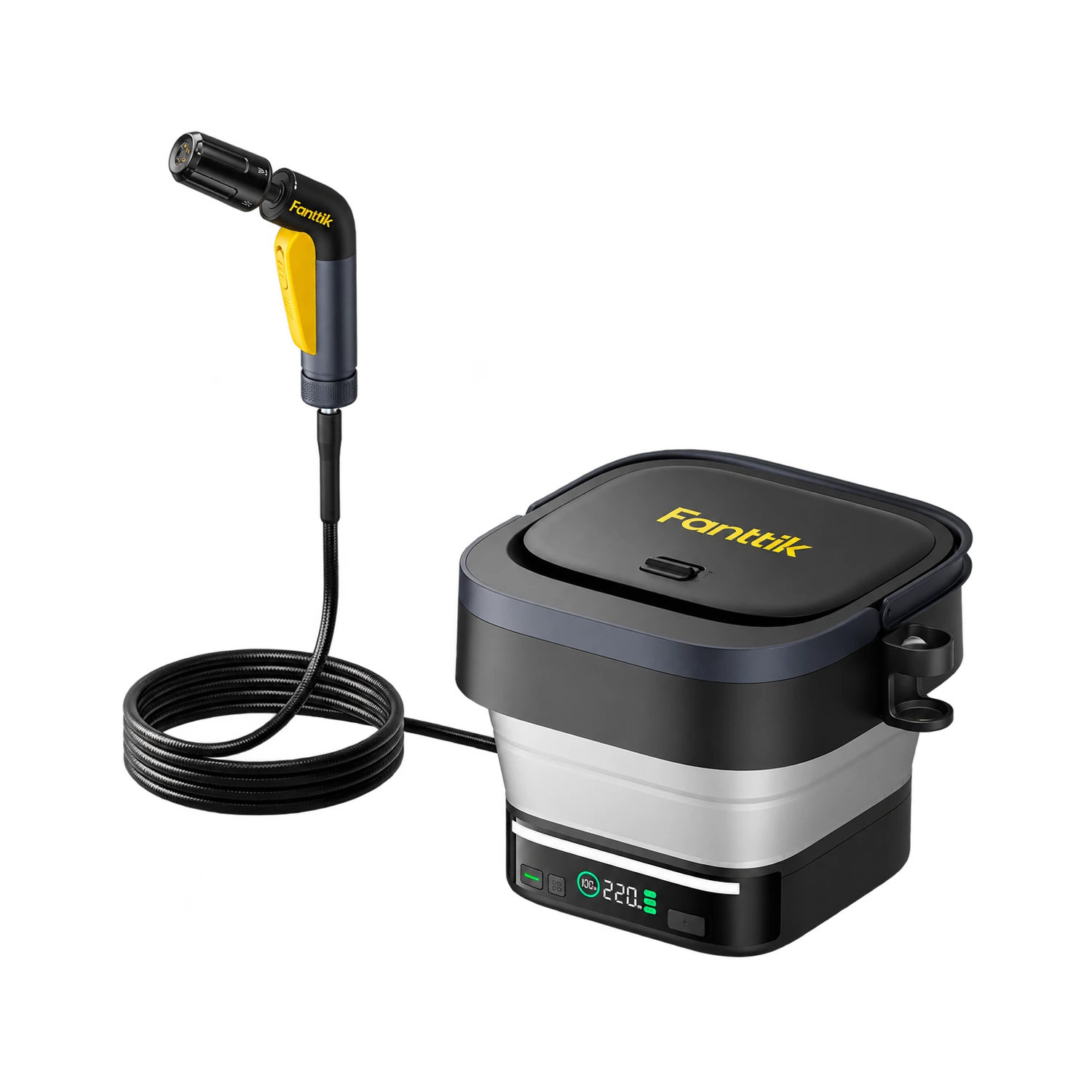
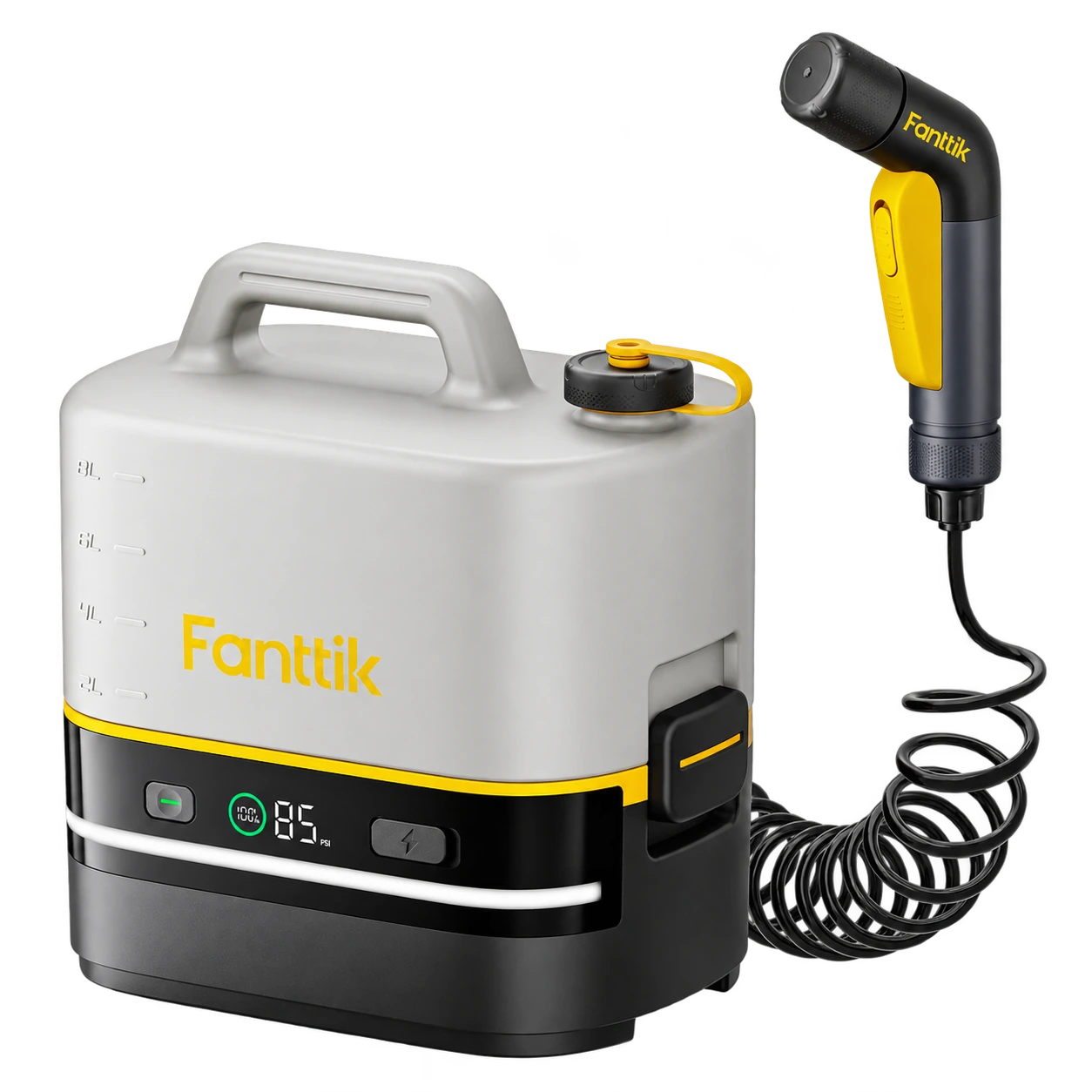
A basic hand wash works without one. A compact washer may suit a driver who wants a cordless pre-rinse, but maximum PSI alone does not identify a paint-safe pressure or distance. Fanttik lists the NB10 Flip at 100, 130 and 150 PSI across three modes; its NB10 Fold has a 3.17-gallon tank and 100, 160 and 220 PSI settings; the NB10 Nano has a 2.1-gallon tank and 72–98 PSI. These product pages do not publish paint-specific pressure or nozzle-distance instructions. Check the vehicle and washer guidance before directing a stream toward paint, wraps, coatings, seals or trim. Choose around water supply and runtime instead of the highest PSI figure.
Keep building your know-how.
Your questions, answered.
Can I wash my car in direct sunlight?
A cool surface and shade are preferable because products and water can dry too quickly on hot panels. Follow the wash product’s instructions.
Do I need a pressure washer to wash a car?
No. A suitable bucket-wash routine can work without one. Choose extra equipment to solve a specific problem with your space or routine.
Should I apply ceramic spray before washing?
No. Follow the spray’s label; protection products that require a clean, dry surface belong after the wash and drying stage.
Sources & further reading.
Source information checked October 24, 2026. Product examples are identified by model; the recommendations and practical comparisons are CarRundown’s editorial analysis.
- Turtle Wax: Pure Wash application instructions
- Meguiar’s: Paint-care and hand-washing guidance
- Fanttik: Flip G10 Nano AutoCare product details
- Fanttik: NB10 Flip product details and package graphic
- Fanttik: NB10 Fold product details
- Fanttik: NB10 Nano product details and package graphic
- Fanttik: BF10 Pro product details and code
- Fanttik: BF10 Pro user manual